The days get shorter. It's dark when you leave for work and dark when you get home. And somewhere between Halloween and New Year's, you notice you just don't feel like yourself. You're tired, unmotivated, craving carbs, and the couch is calling your name.
It's not all in your head. About 1 in 10 people experience a milder form of the winter blues, and around 5% of U.S. adults have seasonal affective disorder, a true form of depression tied to the seasons. Women are about three to four times more likely than men to experience it.
The good news? There are real, research-backed ways to feel better, and some of them might surprise you.
Key Takeaways
- The winter blues are common and milder. Seasonal affective disorder (SAD) is a true form of depression with a seasonal pattern, usually late fall through spring.
- From roughly November through February, the sun in Utah is too low for your skin to make much vitamin D. Salina sits at about 39 degrees latitude.
- Light therapy is one of the best studied treatments for seasonal depression, and morning sessions tend to work best.
- Low iron, thyroid problems and hormone changes can mimic or worsen winter blues, so we check labs before assuming it's just the season.
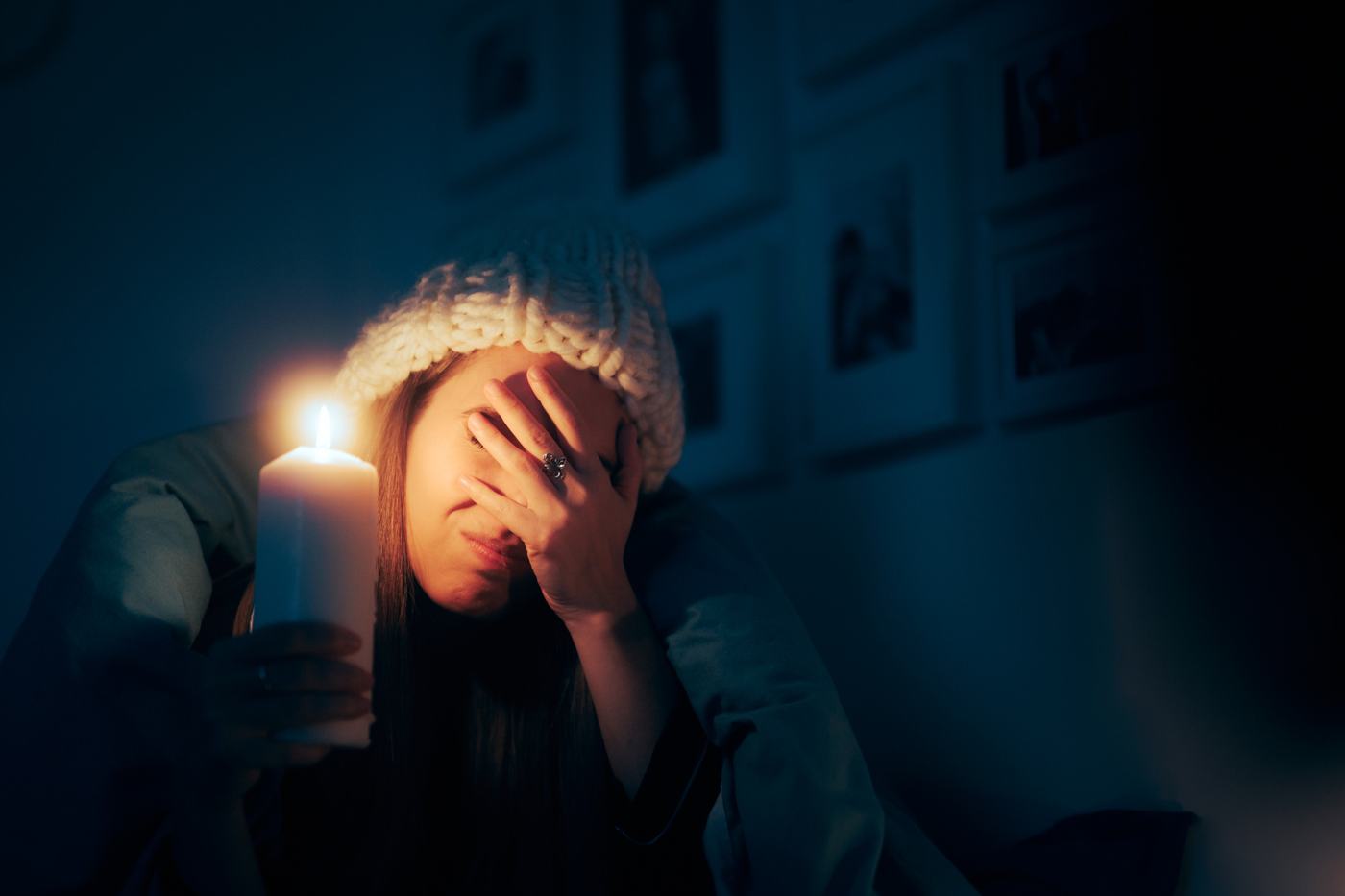
Winter Blues or Something More?
The winter blues are common and milder. You might feel a little sluggish, sleep more, or have less motivation, but you can still get through your days and enjoy life.
Seasonal affective disorder (SAD) is a type of depression that follows a seasonal pattern, usually starting in late fall and lifting in spring. It's more than just feeling "off." Symptoms can include:
- Feeling sad, hopeless, or down most of the day
- Losing interest in things you usually enjoy
- Sleeping much more than usual and still feeling exhausted
- Craving carbs and sweets, often with weight gain
- Trouble concentrating
- Pulling away from friends and family
For most people with SAD, January and February are the hardest months.
Why It Happens
Less sunlight affects your brain in a few important ways. It can throw off your internal body clock, lower serotonin (a brain chemical tied to mood), and increase melatonin, the hormone that makes you sleepy. That's a big part of why winter can leave you feeling tired and low.
Where you live matters too. Seasonal depression becomes more common the farther you get from the equator. In the U.S., it affects roughly 1% of people in Florida, compared with about 9% in Alaska.
The Utah Vitamin D Surprise
Here's something most people in our area don't realize: from roughly November through February, the winter sun in Utah sits too low in the sky for your skin to make much vitamin D, even on a bright, sunny day.
Researchers have found that above about 35 degrees latitude, your skin makes little to no vitamin D in the winter months. Salina sits at about 39 degrees. So no matter how much time you spend outside this time of year, your vitamin D levels can quietly drop.
Low vitamin D has been linked to fatigue, low mood, muscle aches, and weaker bones. Research on whether vitamin D directly treats depression is mixed, but low levels are common, easy to check, and simple to correct.
Other Things That Can Make Winter Feel Worse
Winter blues aren't always just about the season. Other common contributors include:
- Low iron, which can leave you exhausted and foggy
- Thyroid problems, which can cause fatigue, weight gain, and low mood. See what standard thyroid testing misses
- Hormone changes, especially in perimenopause. See our perimenopause care
- Less movement and poorer sleep during cold, dark months
This is exactly why we don't treat symptoms like they're diagnoses. Read more in What Is Functional Medicine?.

What Actually Helps
- Light therapy. This is one of the best studied treatments for seasonal depression. It involves sitting near a special light box, usually 10,000 lux, for about 20 to 30 minutes a day. Timing matters: in a large analysis of light therapy studies, morning light led to more people feeling better than evening light. Talk with us first if you have bipolar disorder, eye conditions, or take medications that make you sensitive to light.
- Get outside in the morning. Even on cloudy days, outdoor light is brighter than indoor light. A short morning walk can help reset your body clock.
- Check your vitamin D. A simple blood test tells us if you're low, so we can recommend the right supplement and dose instead of guessing.
- Keep moving. Regular exercise is one of the most reliable mood boosters there is, and it helps with sleep and energy too.
- Protect your sleep schedule. Going to bed and waking up at the same time each day helps keep your body clock on track, even when it's dark outside.
- Stay connected. Winter makes it easy to hibernate. Make plans with friends and family, even when you don't feel like it.
- Consider medication or therapy. For seasonal depression, counseling and antidepressants can be very effective, alone or together with light therapy.
When to Get Help
It's time to reach out if:
- Your low mood lasts more than two weeks
- It's affecting your work, relationships, or daily life
- You've felt this way several winters in a row
- The self-care tips above aren't enough
If you're having thoughts of harming yourself, call 911 or go to the nearest emergency room.
How We Approach It at Abbott
We start by finding out what's really going on. That means listening to your story, then checking labs like vitamin D, iron, thyroid, and hormones that can affect mood and energy. See what blood tests to get.
From there, we build a plan that fits you. That might include correcting a deficiency, light therapy, lifestyle changes, hormone support, medication, or a referral for counseling.
For people whose depression hasn't improved after trying standard treatments, we also offer ketamine therapy. Learn more in Treatment-Resistant Depression: What It Actually Means.
"So many people just try to push through until spring. But you don't have to lose a third of the year to feeling exhausted and low. Sometimes the fix is as simple as correcting a vitamin D level or adding a light box to your morning. And when it's more than that, we're here to help you find what works."

The Bottom Line
Feeling down in the winter is common, but it's not something you just have to tough out. Shorter days, low vitamin D, and other hidden factors can all play a role, and there are proven ways to feel better. If the dark months are weighing on you, learn more about our depression care or book a consultation and let's find out what's really going on.
Sources
- American Psychiatric Association: seasonal affective disorder
- Global prevalence of seasonal affective disorder by latitude, Journal of Affective Disorders, 2025
- Webb et al., season and latitude effects on vitamin D production in the skin, 1988
- Holick et al., vitamin D and skin physiology, 2007
- Pjrek et al., light therapy for seasonal affective disorder meta-analysis, 2020
Frequently Asked Questions
What's the difference between the winter blues and seasonal affective disorder?
The winter blues are milder and don't usually interfere much with daily life. Seasonal affective disorder is a type of depression with a seasonal pattern that can significantly affect mood, energy, sleep, and daily functioning.
Can you get vitamin D from the sun in winter in Utah?
Very little. From about November through February, the sun is too low in the sky at Utah's latitude for your skin to make much vitamin D.
Does light therapy really work?
Yes, for many people. Light therapy is one of the best studied treatments for seasonal depression, and research suggests morning sessions tend to work best.
When should I see a provider about the winter blues?
If your low mood lasts more than two weeks, affects your daily life, or returns every winter, it's worth getting checked.
Questions About Your Own Situation?
Start with a consultation and the right testing. We'll talk through your history and your options.
This page is for general information and does not constitute medical advice. Treatment recommendations are individualized and confirmed at your consultation. — Abbott Health & Wellness, 45 North State Street, Salina, UT 84654.