Almost every man who suspects low testosterone asks the same thing first: what test do I need, and what do the numbers mean? The honest answer is that a single number rarely tells the whole story. Here is how testosterone testing works, what to ask for, and how to read the results alongside how you actually feel.
When To Test
Testosterone is highest in the morning and drops through the day, so testing is generally done early, commonly between about 7 and 10 a.m. A single low result isn't enough to diagnose anything, because levels fluctuate with sleep, illness, stress and recent exercise. Most guidelines recommend confirming a low result with a second morning test before drawing conclusions.
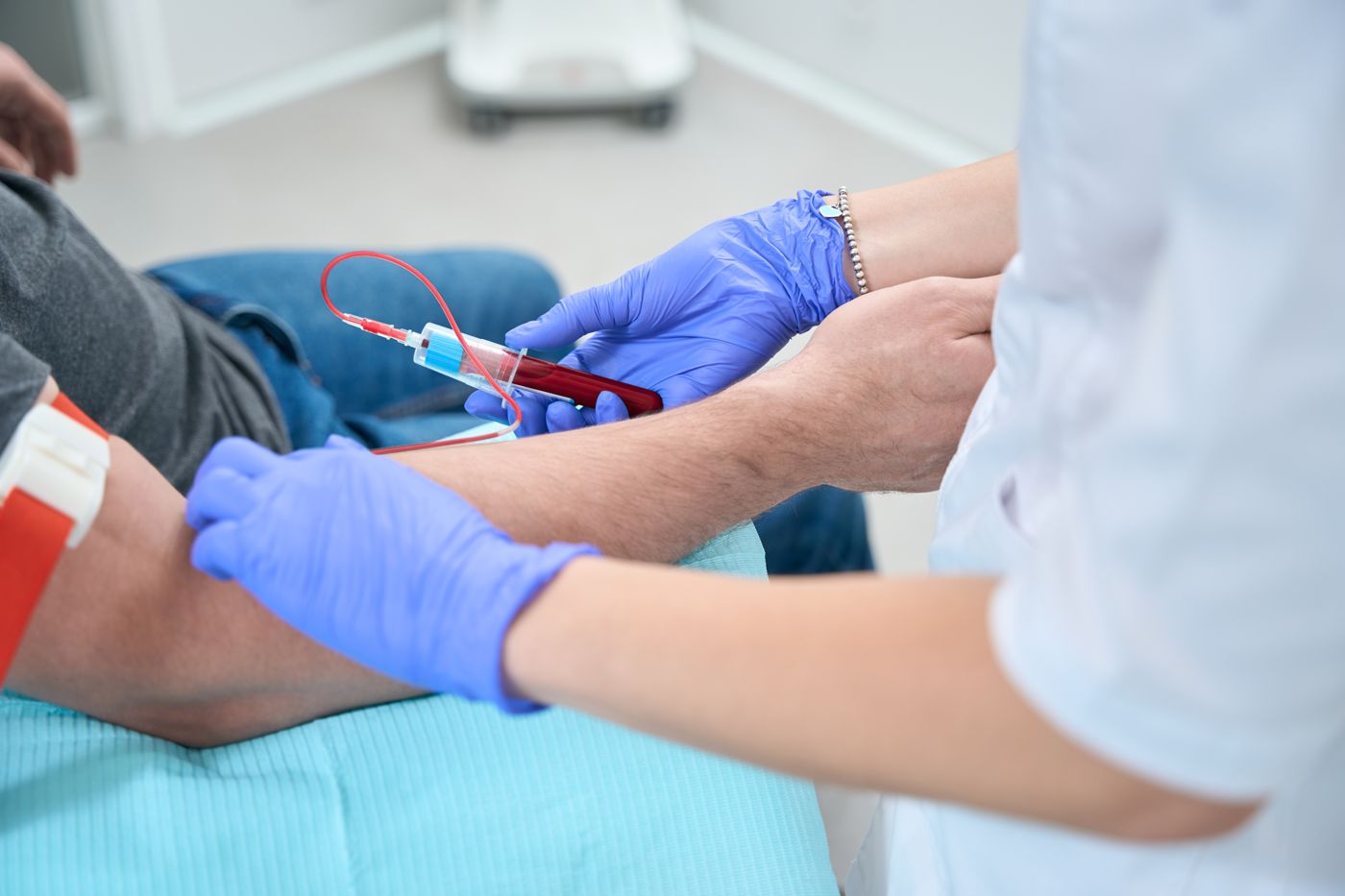
What A Good Testosterone Panel Includes
Beyond A Single Total Testosterone Number
- Total testosterone: the starting point, but not the whole picture
- Free testosterone and SHBG: how much is actually available to your tissues
- LH and FSH: whether the problem starts in the testes or the brain's signaling
- Estradiol: balance matters for mood, libido and body composition
- CBC with hematocrit: a baseline for safety monitoring if treatment follows
- PSA: discussed with your provider based on age and history
- Thyroid, A1C and other labs that can mimic low testosterone symptoms
What The Numbers Mean
Many guidelines use a total testosterone of roughly 300 ng/dL as a reference threshold for low, but that line is blurry. A man at 320 with every classic symptom and a man at 280 who feels fine are both real, which is why we read the number next to your symptoms, free testosterone, SHBG and the rest of the panel. Treatment is recommended when symptoms and consistently low labs agree, not on a number alone.
Other Things That Can Look Like Low T
Fatigue, low drive, weight gain and brain fog overlap with poor sleep, untreated sleep apnea, thyroid problems, insulin resistance, depression and stress. Good testing rules those in or out, which sometimes means the answer isn't testosterone at all. That's why we run broader labs and read them together. Our guide to low testosterone vs. normal aging covers how to tell the difference, and the signs most men miss covers what to look for.
"A low number with no symptoms and a normal number with every symptom both happen. The right answer comes from putting the labs next to the patient, not from the lab report alone."

The Bottom Line
Test in the morning, confirm a low result, and look at more than total testosterone. If your symptoms and labs line up, treatment can help; if they don't, a broader look often finds the real cause. Learn more about low testosterone care at Abbott, how we monitor treatment, or book a consultation to get tested.
Frequently Asked Questions
What time of day should I get my testosterone tested?
Testosterone is highest in the morning, so testing is generally done early, commonly between about 7 and 10 a.m. A low result is usually confirmed with a second morning test.
What is a normal testosterone level for men?
Many guidelines use roughly 300 ng/dL of total testosterone as a reference threshold for low, but the line is blurry. Results are interpreted alongside symptoms, free testosterone, SHBG and other labs.
Is total testosterone enough, or do I need free testosterone too?
Total testosterone is the starting point, but free testosterone and SHBG show how much is actually available to your tissues and can change the interpretation, especially when total testosterone is borderline.
Ready To Get Tested?
We'll run the right labs, read them next to your symptoms, and explain what they mean.
Prices are current as of October 2026 and subject to change. This page is for general information and does not constitute medical advice. Final treatment recommendations and pricing are confirmed at your consultation. — Abbott Health & Wellness, 45 North State Street, Salina, UT 84654.